Thursday, July 18, 2024

Blue Passionflower

 [Warning, this will be a picture heavy post]


The young leaves can be kind of thin, but note the wrapping tendrils allowing it to climb.

This is a flower bud before the flower opens.


Sometimes Blue Passionflower leaves are more rounded.

The new leaves can also be teardrop shaped.

Here is an example of the lobed and teardrop shaped leaves on the same stem.

More mature vines will have upwards of five or six-lobed leaves.

The flower is what everyone loves, it's so pretty you almost forget this vine is invasive.


Common Name: Blue Passionflower


Other Common Names: Bluecrown Passionflower, Common Passionflower, Flower of the Five Wounds, Southern Beauty, Wild Apricot.


Botanical Family: Passifloraceae (The Passionflower Family)


Botanical Latin Name: Passiflora caerulea


Description & Habitat:  Just for note, this perennial plant was once sold through Burpee seeds as an annual. It is most certainly not an annual in zone 8A/8B and can become problematic if not outright invasive in a garden setting.  This species of Passionflower is native to South America. In our area you will find two species of Passion vine, the Purple Passionvine (Passiflora incarnata) and the Blue Passionvine (P. caerulea). In general both are aggressive vines that will climb up whatever is nearby be it blades of grass or your car that has sat in the yard for a bit. Typically you will find Blue Passion vine in gardens’ pastures, near rivers and in the woods and in all cases this is because it has escaped cultivation.


When & What to Harvest: The fruit are edible however most sources note they are a bit bland with a thin blackberry kind of flavor. The egg-shaped fruits are green when unripe and turn a yellow or deep orange color when ripe. The internal flesh of the fruit is a bright red color when ripe. The flowers of this plant are used to make passionflower tea which is noted to have health benefits. Do not eat the leaves or the unripe fruit as they contain cyanogenic glycosides which can convert to cyanide when eaten. The toxic part sof the plant are bitter tasting so avoid anything with that flavor.


Poisonous Lookalikes: none


Related Edible Species: Purple Passionflower (Passiflora incarnata).


Recipe:  There are a surprising number of options online for using the fruit but in general they fall into five categories; smoothies, fruit salads, jams/jellies/preserves, in baked goods or in cocktails. The most interesting one is to simply make juice out of it as that can help lower blood pressure. Firstly you get out as many of the seeds as possible, run it through a blender, and then strain out the chunks. Add a sweetener and as much water as you had strained juice and then store cold and drink as needed.


Additional Information: (If applicable)

https://plants.ces.ncsu.edu/plants/passiflora-caerulea/

https://en.wikipedia.org/wiki/Passiflora_caerulea

https://www.missouribotanicalgarden.org/PlantFinder/PlantFinderDetails.aspx?taxonid=284901&isprofile=0&bt=4


With all that garden goodness covered this is the part of the blog where I have to advertise for the Fayetteville City Market. Now I know you readers probably don’t much like advertisements, but my booth at the City Market helps to cover the costs of running the test garden and literally maintains the Research & Development budget that is used to bring you the information that has made up the backbone of this blog.  In addition to being able to process card payments we now take CashApp payments so your payment options for my product have tripled. With that said; if you want to get some GMO-free, Organic fruit, herbs, flowers and perennials, come on down to the Fayetteville City Market on 325 Maxwell Street in downtown Fayetteville between the hours of 9:00 am and 1:00 pm on Saturdays. Even in bad weather the market goes on though you might have to look for me under the ‘arches’ of the Transportation Museum’s front entryway.


For those of you wondering what plants are going to be at the market this weekend here is the list.


Fresh Foods:

Blueberries, Rabbiteye – 12 ounces

Blueberries, Rabbiteye – 8 ounces

Figs, Mixed* – 16 ounces

Figs, Mixed* – 8 ounces

Tomatoes, Cherry Blend – 12 ounces


*Figs will be a mix of what is currently ripe; they might be White Ischia, Chicago Hardy, Celeste, Magnolia, Kadota, Brown Turkey or Petit Nigra.


Soil Amendment Products (New!)

Live Mushroom Compost – 3 Gallon Bag

Live Mushroom Compost – 1 Gallon Bag


Garden Plants, Perennial

Cutleaf Coneflower

Spineless Prickly Pear

Spanish Bayonet


Garden Plants, Annual

Marigold, Naughty Marietta – Yellow

Marigold, Naughty Marietta – Orange

Madagascar Periwinkle, Blackberry

Madagascar Periwinkle, Cranberry

Zinnia, All American Mix


Coming Soon:

American Aloe


How to stay in Contact with Us!

Our group’s online presence has migrated to Nextdoor.com. All you need to keep up with all our activities is to have a Nextdoor account and to look for the ‘Sustainable Neighbors of Fayetteville’ group and ask to join! You don’t have to live in Fayetteville to join us! Feel free to ask all your garden questions of our knowledgeable membership and post your cool garden pictures.


Sustainable Neighbors of Fayetteville


Also please take a gander at the YouTube version of this blog:

The Videos: Look Here

>Newest videos (1): Little Brown Jugs


Meetings are still going on! Our next (unofficial) meeting is July 20th at the Fayetteville City Market at 325 Franklin Street between 9:00 am and 1:00 pm.


Creeping Cucumber


Creeping Cucumber as seen growing across pine straw is pretty and can in theory be used as a ground cover.

The ripe fruits as you can see are so dark green they appear pretty much black. You don't want to eat these unless you're backed up or something. Reports of them being flat poisonous aren't fully verified.

Note how the unripe fruit kind of resemble little watermelons, these are the ones you want to harvest for eating.


Common Name: Creeping Cucumber


Other Common Names: Guadeloupe Cucumber, Meloncito, Speckled Gourd


Botanical Family: Cucurbitaceae (The Cucumber Family)


Botanical Latin Name: Melothria pendula


Description & Habitat:  The Creeping Cucumber is a native perennial vine that is commonly found on the edges of marshes, by the roadside where sandy soil is present, in low woodlands, near parking lot bushes and of course in some gardens. The specimen photographed was found within the PWC facility in Fayetteville NC doing exactly what one might expect it to do; growing up a Cypress bush near a parking area. You can expect to encounter these vines in places with some soil disturbance and they may even be accidentally brought in with potted shrubs.


When & What to Harvest: The fruit of this native species of cucurbit is edible however you want to harvest the tiny fruits when they are green and not once they have ripened and turned dark green. The ripe fruit are so dark green they appear to be black and at that stage may have a strong laxative effect which might be useful as a medicine. In the green unripe form the fruits have a patterning that makes them almost resemble miniature watermelons; they have a tart cucumber kind of flavor.


Poisonous Lookalikes: none


Related Edible Species: Cucumber (Cucumis sativus), Mexican Sour Gherkin (Melothria scabra).


Recipe: All credible references point to using the green fruit as a snack or putting them in salads raw like one might do with cherry tomatoes.


Additional Information: (If applicable)

https://plants.ces.ncsu.edu/plants/melothria-pendula/

https://en.wikipedia.org/wiki/Melothria_pendula

https://www.eattheweeds.com/creeping-cucumber-melothria-pendula/


With all that garden goodness covered this is the part of the blog where I have to advertise for the Fayetteville City Market. Now I know you readers probably don’t much like advertisements, but my booth at the City Market helps to cover the costs of running the test garden and literally maintains the Research & Development budget that is used to bring you the information that has made up the backbone of this blog.  In addition to being able to process card payments we now take CashApp payments so your payment options for my product have tripled. With that said; if you want to get some GMO-free, Organic fruit, herbs, flowers and perennials, come on down to the Fayetteville City Market on 325 Maxwell Street in downtown Fayetteville between the hours of 9:00 am and 1:00 pm on Saturdays. Even in bad weather the market goes on though you might have to look for me under the ‘arches’ of the Transportation Museum’s front entryway.


For those of you wondering what plants are going to be at the market this weekend here is the list.


Fresh Foods:

Blueberries, Rabbiteye – 12 ounces

Blueberries, Rabbiteye – 8 ounces

Figs, Mixed* – 16 ounces

Figs, Mixed* – 8 ounces

Tomatoes, Cherry Blend – 12 ounces


*Figs will be a mix of what is currently ripe; they might be White Ischia, Chicago Hardy, Celeste, Magnolia, Kadota, Brown Turkey or Petit Nigra.


Soil Amendment Products (New!)

Live Mushroom Compost – 3 Gallon Bag

Live Mushroom Compost – 1 Gallon Bag


Garden Plants, Perennial

Cutleaf Coneflower

Spineless Prickly Pear

Spanish Bayonet


Garden Plants, Annual

Marigold, Naughty Marietta – Yellow

Marigold, Naughty Marietta – Orange

Madagascar Periwinkle, Blackberry

Madagascar Periwinkle, Cranberry

Zinnia, All American Mix


Coming Soon:

American Aloe


How to stay in Contact with Us!

Our group’s online presence has migrated to Nextdoor.com. All you need to keep up with all our activities is to have a Nextdoor account and to look for the ‘Sustainable Neighbors of Fayetteville’ group and ask to join! You don’t have to live in Fayetteville to join us! Feel free to ask all your garden questions of our knowledgeable membership and post your cool garden pictures.


Sustainable Neighbors of Fayetteville


Also please take a gander at the YouTube version of this blog:

The Videos: Look Here

>Newest videos (1): Little Brown Jugs


Meetings are still going on! Our next (unofficial) meeting is July 20th at the Fayetteville City Market at 325 Franklin Street between 9:00 am and 1:00 pm.


Thursday, July 4, 2024

Little Brown Jug

 Wild Harvest Tour Exclusive


This post is based on something we encountered on the June Wild Harvest Tour. Little Brown Jug is a native wild plant that was too pretty to pass up. Check my YouTube channel in a few weeks to see the official video about this native evergreen plant. The Facebook Page for the Tour can be found here:


https://www.facebook.com/p/Sandhills-Wild-Harvest-61557940700225/


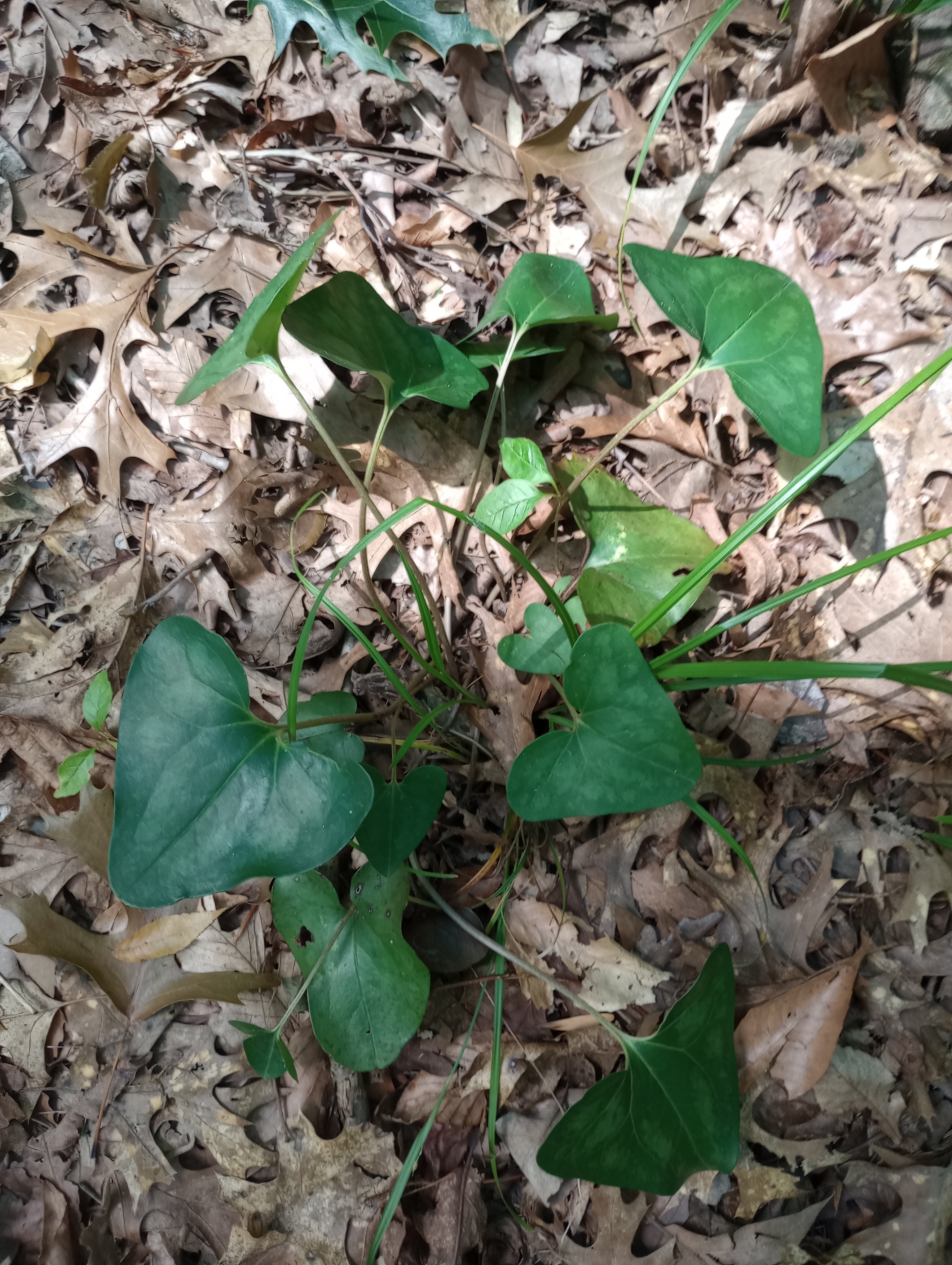
In its native environment Little Brown Jug is a pretty humble perennial plant. It could be mistaken for Green Briar, Violets or a number of plants, but the slow rate of growth and its lack of visible stems, flowers or other features indicate it's something special.


Common Name: Little Brown Jug


Other Common Names: Arrowhead Wild Ginger, Heartleaf Ginger, Heartleaf Wild Ginger, Wild Ginger


Botanical Family: Aristolochiaceae (The Birthwort Family)


Botanical Latin Name: Asarum arifolium


Description & Habitat:  Little brown Jug is a native woodland plant that is evergreen and perennial. Its common name comes from the jug-shaped flowers that are borne low to the ground and are pollinated by ground-dwelling beetles. This plant will appear in clumps with rounded heart shaped leaves that resemble a variety of other species, there are no visible stems on this plant as the leaves and their petioles emerge from a creeping rhizome. Little Brown Jug’s petioles are dark green and may sometimes have a reddish tinge to them. The leaves are typically a dark or medium green color and may have liter whitish-green markings. This plant can be found in forested areas of North Carolina across the state and is often seen poling through the leaf litter of the forest floor. As a cultivated perennial it is often found in use as a natural and native ground cover that does not have any known invasive tendencies. It will tolerate damage from deer, rabbits and will withstand heat and drought conditions. In the wild forage trade it is wise to try and positively identify this plant as its relatives are more harmful when internally taken compared to Little Brown Jug. This is not to say that Little Brown Jug is safe for consumption because according to several credible sources it can cause kidney damage.


Botanical Latin synonyms for this plant include Hexastylis arifolia and Asarum grandiflorum.


When & What to Harvest: Although some traditional medicine references list this plant as useful as a Diuretic, Expectorant and an Analgesic, the risk of kidney damage from consumption of this plant is more than enough that I do not recommend harvesting this plant for medicinal or culinary use. Using it as a native ground cover in shady areas is an option however.


Poisonous Lookalikes: none


Related Edible Species: None are known.


Recipe: Not applicable.


Additional Information: (If applicable)

https://plants.ces.ncsu.edu/plants/asarum-arifolium/

https://en.wikipedia.org/wiki/Hexastylis_arifolia


With all that garden goodness covered this is the part of the blog where I have to advertise for the Fayetteville City Market. Now I know you readers probably don’t much like advertisements, but my booth at the City Market helps to cover the costs of running the test garden and literally maintains the Research & Development budget that is used to bring you the information that has made up the backbone of this blog.  In addition to being able to process card payments we now take CashApp payments so your payment options for my product have tripled. With that said; if you want to get some GMO-free, Organic fruit, herbs, flowers and perennials, come on down to the Fayetteville City Market on 325 Maxwell Street in downtown Fayetteville between the hours of 9:00 am and 1:00 pm on Saturdays. Even in bad weather the market goes on though you might have to look for me under the ‘arches’ of the Transportation Museum’s front entryway.


For those of you wondering what plants are going to be at the market this weekend here is the list.


Soil Amendment Products (New!)

Live Mushroom Compost – 3 Gallon Bag

Live Mushroom Compost – 1 Gallon Bag


Garden Plants

Cutleaf Coneflower, Large

Cutleaf Coneflower, Medium

Spanish Bayonet

Marigold, Naughty Marietta – Yellow

Marigold, Naughty Marietta – Orange

Madagascar Periwinkle, Blackberry

Madagascar Periwinkle, Cranberry

Salvia, Victoria

Zinnia, All American Mix


Coming Soon:

American Aloe

Spineless Prickly Pear


How to stay in Contact with Us!

Our group’s online presence has migrated to Nextdoor.com. All you need to keep up with all our activities is to have a Nextdoor account and to look for the ‘Sustainable Neighbors of Fayetteville’ group and ask to join! You don’t have to live in Fayetteville to join us! Feel free to ask all your garden questions of our knowledgeable membership and post your cool garden pictures.


Sustainable Neighbors of Fayetteville


Also please take a gander at the YouTube version of this blog:

The Videos: Look Here

>Newest videos (1): Northern Sea Oats


Meetings are still going on! Our next (unofficial) meeting is July 6th at the Fayetteville City Market at 325 Franklin Street between 9:00 am and 1:00 pm.