Note from the Author: I previously covered Common Vetch on September 23rd 2022.
 |
| This small specimen has a flower color that is noted as rare by NC state. |
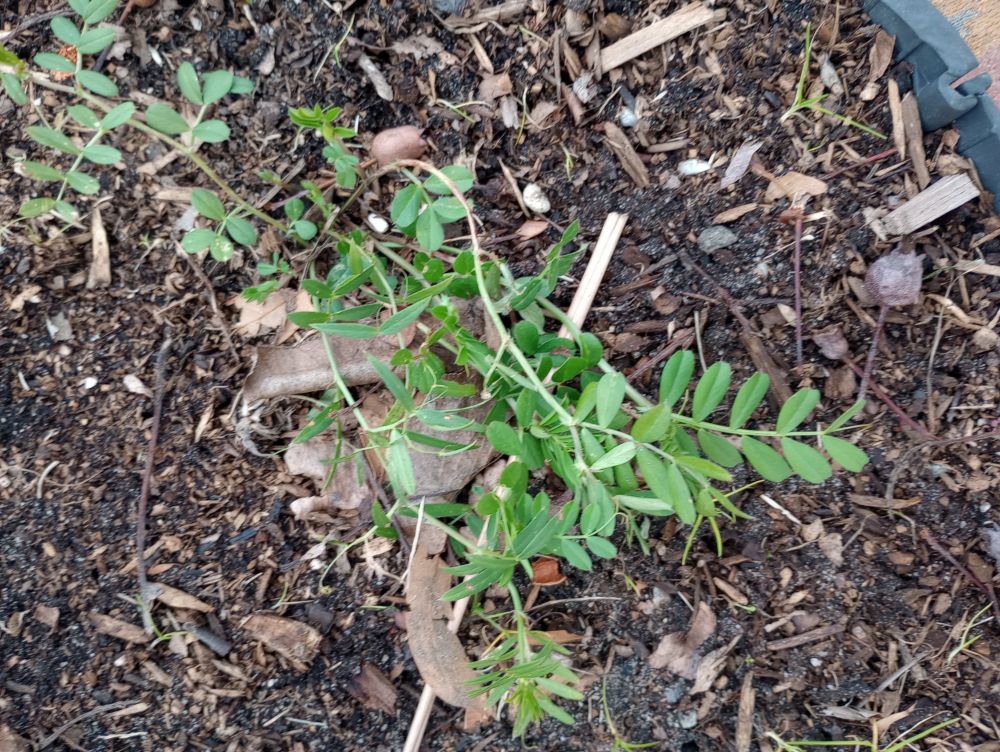 |
| Found downtown by the Transportation Museum in Fayetteville. |
Common Name: Common Vetch
Other Common Names: Garden Vetch, Golden Tare, Vetch.
Botanical Family: Fabaceae (The Pea Family)
Botanical Latin Name: Vicia sativa
Description & Habitat: Common Vetch is considered an annual winter wild flower that is commonly used as a cover crop in agriculture because of its ability to fix nitrogen in the soil. It is also used as forage for livestock as it grows quickly and it also can feed populations of wild animals such as Deer, Rabbits, and is a host to the larva of several Butterflies and Moths. In general this plant benefits from having something taller than itself to climb on and thus is grown in vineyards and orchards to suppress weeds and reduce herbicide usage. The leaves of this plant are considered to be in alternate arrangement and have pinnately or bipinnately arranged leaflets that are elliptical in shape.
When & What to Harvest: Unlike other edible members of the Pea family with Common Vetch you want to harvest only the leaves. The seeds contain Cyanogenic glycosides which cause neurological damage specifically in animals with a single stomach like people, horses and poultry. Ruminant Livestock may be able to safely digest the pods and seeds.
Edible Related Plants: Common Vetch (Vicia sativa subsp. nigra), Sand Vetch (Vicia acutifolia), Narrow-leaved Vetch (V. angustifolia). I have to make note of the fact that Common vetch has a lot of subspecies and ‘angustifolia’ and ‘subsp. nigra’ are both subspecies of Common vetch.
Similar Dangerous Species: There are a lot of potentially dangerous lookalikes, to the point that there are a few too many to list here.
Recipe: Vetch & Catchweed Bedstraw Pesto
3 ounces of Pine nuts
1 teaspoon of dried black garlic/ (if fresh 4 cloves of black garlic.)
1 tablespoon of Robust Olive oil (you can use more if it’s not enough)
2 cups of Common Vetch Leaves and Catchweed Bestraw shoots or new foliage (you can add henbit or chickweed if needed)
4 Ounces of grated Parmesan & Romano cheese
1. Wash your greens thoroughly and remove any foreign debries
2. Chop your greens finely.
3. Pulverize the Pine Nuts.
4. Combine the greens, the nuts and the other ingredients in a food processor or blender.
5. Run your blender or food processor until the individual ingredients are unidentifiable
6. The resulting pesto can be added to any pasta dish at leisure but make sure to store in an airtight container in the refrigerator.
Additional Information: (If applicable)
https://plants.ces.ncsu.edu/plants/vicia-sativa/
Where to get Seed or Bare Root Plants:
https://victoryseeds.com/products/vetch-common
With all that garden goodness covered this is the part of the blog where I have to advertise for the Fayetteville City Market. Now I know you readers probably don’t much like advertisements, but my booth at the City Market helps to cover the costs of running the test garden and literally maintains the Research & Development budget that is used to bring you the information that has made up the backbone of this blog. In addition to being able to process card payments we now take CashApp payments so your payment options for my product have tripled. With that said; if you want to get some GMO-free, Organic fruit, herbs, flowers and perennials, come on down to the Fayetteville City Market on 325 Maxwell Street in downtown Fayetteville between the hours of 9:00 am and 1:00 pm on Saturdays. Even in bad weather the market goes on though you might have to look for me under the ‘arches’ of the Transportation Museum’s front entryway.
For those of you wondering what plants are going to be at the market this weekend here is the list.
Spring Plants:
Chicory, Italian
Chicory, Garnet Stem
Ground Cherries, Perennial
Okra, Baby Bubba
Okra, Iraqi Bamia
Pepper, Ghost
Pepper, Serrano
Pepper, Hungarian Wax Banana
Pepper, Bull’s Horn
Pepper, Mad Hatter
Pepper, Purple Bell
Rice, Upland
Spinach, Egyptian
Tomato, Cherokee Purple
Tomato, Chocolate Cherry
Tomato, Midnight Snack
Tomato, Lemon Boy
Tomato, Brown Sugar
Herbs:
Basil, Holy
Chives
Morenga
Savory, Summer
Ornamental & Flowers:
Castor Bean, Giant
Flowering Maple, ‘Orange Hot Lava’
Soil Amendment Products:
Carolina Gold, Live Mushroom Compost – 18 Gallon Tote*
Carolina Gold, Live Mushroom Compost – 3 Gallon Bag
Carolina Gold, Live Mushroom Compost – 1 Gallon Bag
*The 18 gallon tote is by special order only and is delivered to any address within the Fayetteville city area.
How to stay in Contact with Us!
All you need to keep up with all our activities is to have a Nextdoor account and to look for the ‘Sustainable Neighbors of Fayetteville’ group and ask to join! You don’t have to live in Fayetteville to join us! Feel free to ask all your garden questions of our knowledgeable membership and post your cool garden pictures.
Sustainable Neighbors of Fayetteville
Also please take a gander at the YouTube version of this blog:
The Videos: Look Here
>Newest videos (1): Upland Rice ‘Hayayuki’
Meetings are still going on! Our next (unofficial) meeting is May 10th at the Fayetteville City Market at 325 Franklin Street between 9:00 am and 1:00 pm.

