Note from the
Author: This post isn’t technically a
redo but more of a full-on correction. On April 7th 2022, I did a
fill write-up about Sow Thistle and did not notice at the time my photos were
of Spiny Sowthistle a close relative. So today we have a fully corrected post
for all of you to enjoy.
 |
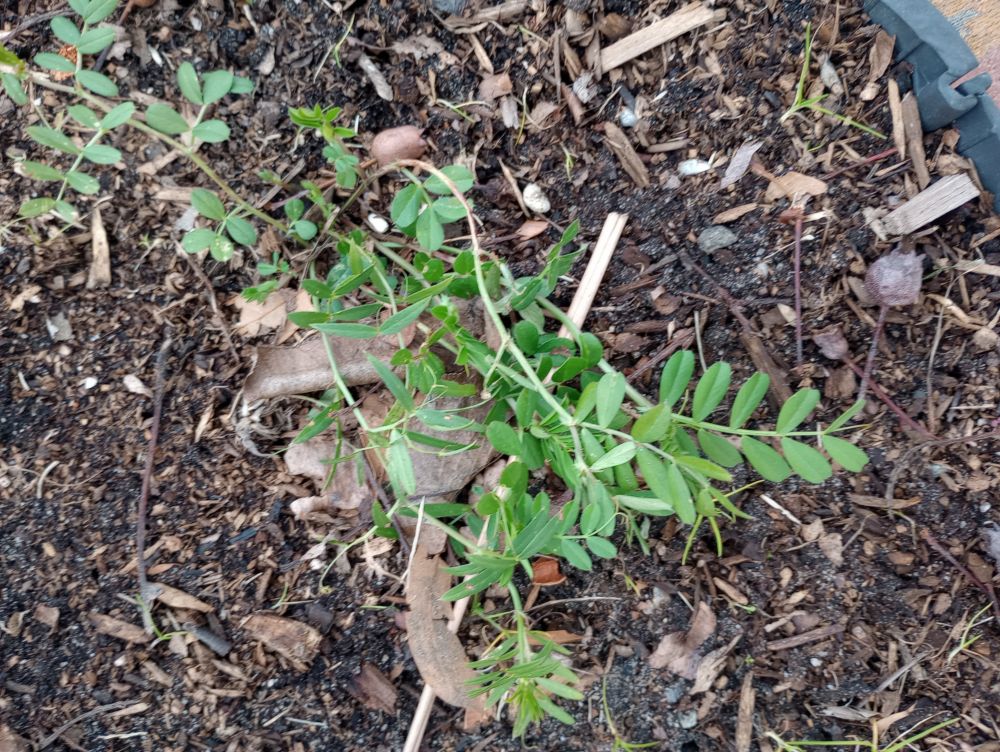
| This Spiny Sowthistle emerged later in spring between stonework in Downtown Fayetteville and has likely been stepped on a few times and possibly string trimmed. |
 |
| This SPiny Sowthistle was found at the PWC facility in early spring. |
Common
Name:
Prickly Sowthistle
Other
Common Names:
Spiney Sowthistle, Spiny-leaved
Sow-Thistle, Rough Milk Thistle and, Sharp-Fringed Sow Thistle.
Botanical
Family:
Asteraceae (The Aster Family)
Botanical
Latin Name:
Sonchus asper
Description
& Habitat:
Prickly Sowthistle is a cool-season annual or biennial that can reach a height
of six feet tall. When found in the urban landscape however, this non-native
plant is often less than half of the aforementioned height. A prickly
Sowthistle’s leaves are in alternate arrangement on the plant’s hollow stems
and the leaves are roughly lanceolate in shape. The leaf shape can vary
somewhat due to curls and lobes on the leaf which can cause misidentification
as Prickly Sowthistle can sometimes resemble Prickly Lettuce or a number of
other members of the Aster family. There also appears to be some variation on
leaf shape relative to where this plant’s seed germinates and when it
germinates. Prickly Sowthistle can be found in disturbed sites like roadsides,
fields, railroad intersections, and in embankments. It also will appear in
garden beds, between the cracks of concrete or asphalt and in fields, yards and
occasionally in potted outdoor plants. The best time to look for this plant is
in spring while the plants are small, but developed enough to tell them from
other similar looking cool-season annuals.
When
& What to Harvest: With Prickly Sowthistle, the parts you want are
mainly the leaves while they are no longer than 4”. The taproot before the
plant flowers is viable as a food source also the flowers can be used in the same
ways one might use Dandelion blossoms.
Edible
Related Plants:
Annual Sowthistle (S. oleraceus).
Similar
Dangerous Species:
None are known.
Recipe: Sautéed Sow Thistle
4 cups of
chopped young (1-4" long leaves) Spiny Sowthistle
Butter or oil
1 cup of Bone
broth (any other form of broth can be substituted)
1 tsp of dried
garlic (4 cloves if fresh)
1 tsp. flour
Salt and pepper
to taste
1. Wash your
greens thoroughly and cut away the spiny bits if they are too firm.
2. Heat the
oil/butter in your pan and then add the leaves.
3. Stir the
leaves to make sure they get a nice coating of the oil.
4. Bring the pan
with the leaves to a simmer and cook for 10-15 minutes.
5. Add the
garlic the flour and the salt and pepper.
6. Stir
everything and add another tablespoon of butter or oil and cook until the
greens are fully soft.
7. Serve with
rice.
Additional
Information:
(If applicable)
https://plants.ces.ncsu.edu/plants/sonchus-asper/
Where
to get Seed or Bare Root Plants:
As far as I
know, there is no credible vendor that sells the seeds for this plant.
With all that
garden goodness covered this is the part of the blog where I have to advertise
for the Fayetteville City Market. Now I know you readers probably don’t much
like advertisements, but my booth at the City Market helps to cover the costs
of running the test garden and literally maintains the Research &
Development budget that is used to bring you the information that has made up
the backbone of this blog. In addition
to being able to process card payments we now take CashApp payments so your
payment options for my product have tripled. With that said; if you want to get
some GMO-free, Organic fruit, herbs, flowers and perennials, come on down to
the Fayetteville City Market on 325 Maxwell Street in downtown Fayetteville
between the hours of 9:00 am and 1:00 pm on Saturdays. Even in bad weather the
market goes on though you might have to look for me under the ‘arches’ of the
Transportation Museum’s front entryway.
For those of you
wondering what plants are going to be at the market this weekend here is the
list.
Spring
Plants:
Chicory, Italian
Chicory, Garnet
Stem
Ground Cherries,
Perennial
Okra, Baby Bubba
Okra, Iraqi
Bamia
Pepper, Ghost
Pepper, Serrano
Pepper,
Hungarian Wax Banana
Pepper, Bull’s
Horn
Pepper, Mad
Hatter
Pepper, Purple
Bell
Rice, Upland
Spinach,
Egyptian
Tomato, Cherokee
Purple
Tomato,
Chocolate Cherry
Tomato, Midnight
Snack
Tomato, Lemon
Boy
Tomato, Brown
Sugar
Herbs:
Basil, Holy
Chives
Milk Thistle
Morenga
Savory, Summer
Ornamental
& Flowers:
Castor Bean,
Giant
Flowering Maple,
‘Orange Hot Lava’
Soil
Amendment Products:
Carolina Gold, Live
Mushroom Compost – 18 Gallon Tote*
Carolina Gold, Live
Mushroom Compost – 3 Gallon Bag
Carolina Gold, Live
Mushroom Compost – 1 Gallon Bag
*The
18 gallon tote is by special order only and is delivered to any address within
the Fayetteville city area.
How
to stay in Contact with Us!
All you need to
keep up with all our activities is to have a Nextdoor account and to look for
the ‘Sustainable Neighbors of Fayetteville’ group and ask to join! You don’t
have to live in Fayetteville to join us! Feel free to ask all your garden
questions of our knowledgeable membership and post your cool garden pictures.
Sustainable Neighbors of Fayetteville
Also please take
a gander at the YouTube version of this blog:
The
Videos:
Look Here
>Newest
videos (1): Za’atar
Meetings are still going on! Our next (unofficial) meeting
is May 10th at the Fayetteville City Market at 325 Franklin Street
between 9:00 am and 1:00 pm.